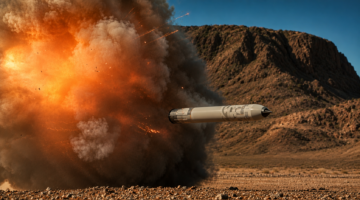
Weaponizing the supply chain for a liquid-fueled howitzer-fired munition that flies 150 km
The goal of such weaponization is to tie warfighter needs to the RDT&E cycle.

The goal of such weaponization is to tie warfighter needs to the RDT&E cycle.
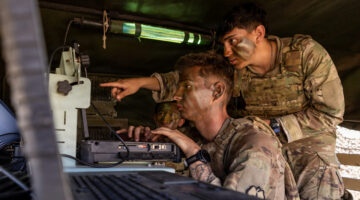
“Providing core software applications is a critical next step. It provides a foundation that can be rapidly scaled and trained with continuity across the force,” Joseph Welch, portfolio acquisition executive Command and Control (C2)/Counter C2, said in the release.

Explore how software, edge AI and resilient connectivity can strengthen military logistics in contested environments. Join Breaking Defense on Oct. 21 and earn 1 CPE credit.
There is no single answer to the drone threat, pushing the Pentagon toward a broader mix of defenses.
Like a militarized Alexa, Primordial Labs’ Anura AI is trained to understand soldiers’ voice commands and translate them into specific actions — but not deadly ones.

Increased capabilities of low SWaP software-defined radios make them viable options for smaller platforms.

Paul Nedzbala, who joined GDIT in 2018, has been appointed acting president.


A decorated combat aviator and biotech CEO advocates preparing for novel viral threats before the next crisis.

A splashy promo video published by Mykhailo Fedorov envisions humanoid robots in combat, but not everyone is convinced it's the right play.

Breaking Defense's roundtable looks into a crystal ball to discuss the more distant future for the continent's air forces.

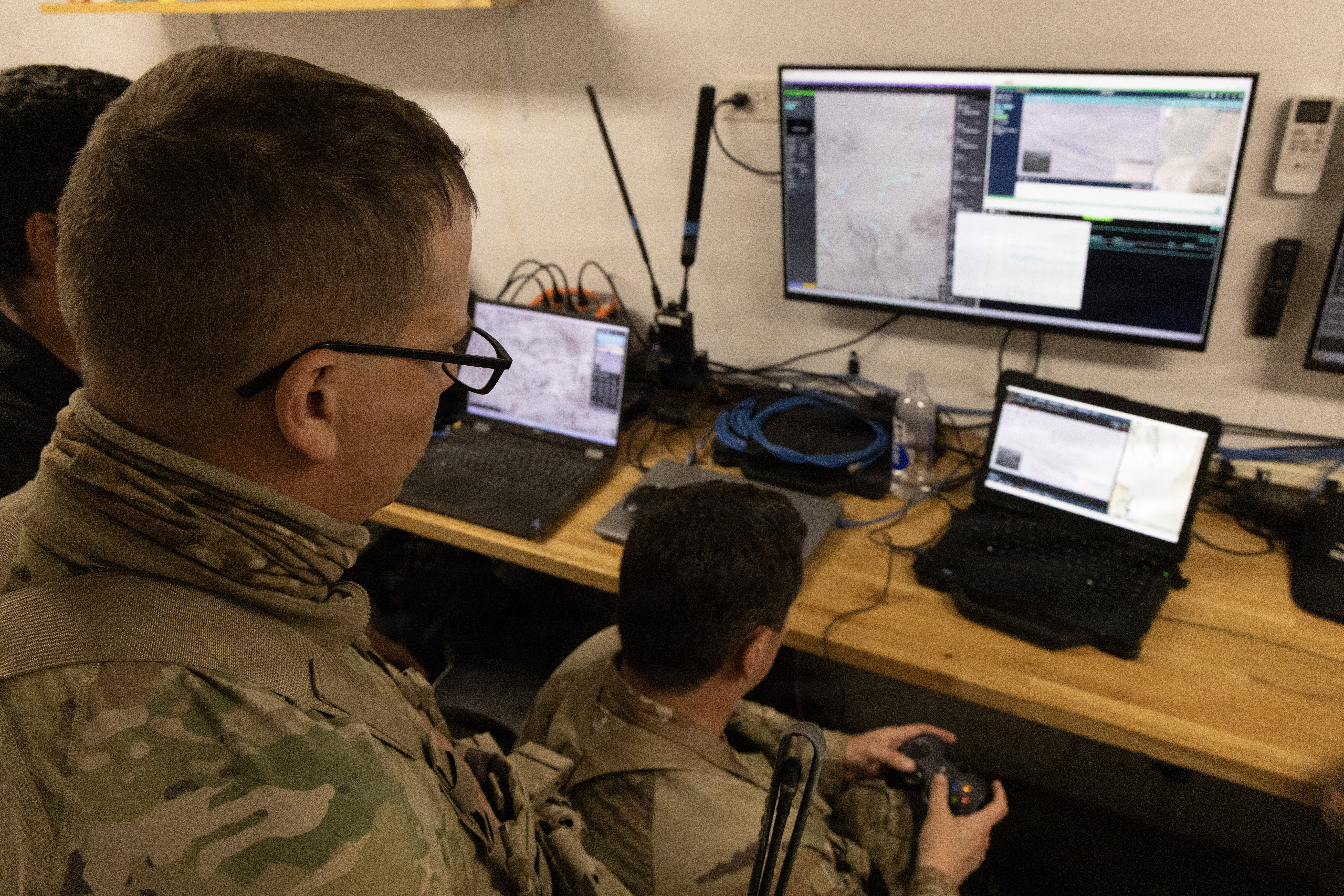
Spectrum awareness, resilient connectivity and electronic warfare defenses are becoming central to decision advantage on the modern battlefield.

From FPV drones to autonomous rotorcraft, scale and repeatability are becoming as important as innovation.

AI is reshaping the Army’s approach to cyber, electronic warfare and command and control. At TechNet Augusta 2026, leaders outlined how they’re turning emerging technology into capabilities for the battlefield.


GE Aerospace’s investments in the F110 are paying off in both production and delivery performance.
Explore how software, edge AI and resilient connectivity can strengthen military logistics in contested environments. Join Breaking Defense on Oct. 21 and earn 1 CPE credit.

In the wake of public debates about the health of physical US munitions, a senior Navy official said the "cyber magazine" isn't infinite either.

“What I would offer to industry … if you are interested in talking about expeditionary cyber, cyber at the tactical edge, particularly offensive or capabilities that support offense, please come talk to me," the Navy's principal cyber advisor said.